Influenza Can Be Deadly: Why Your Influenza Vaccine Matters
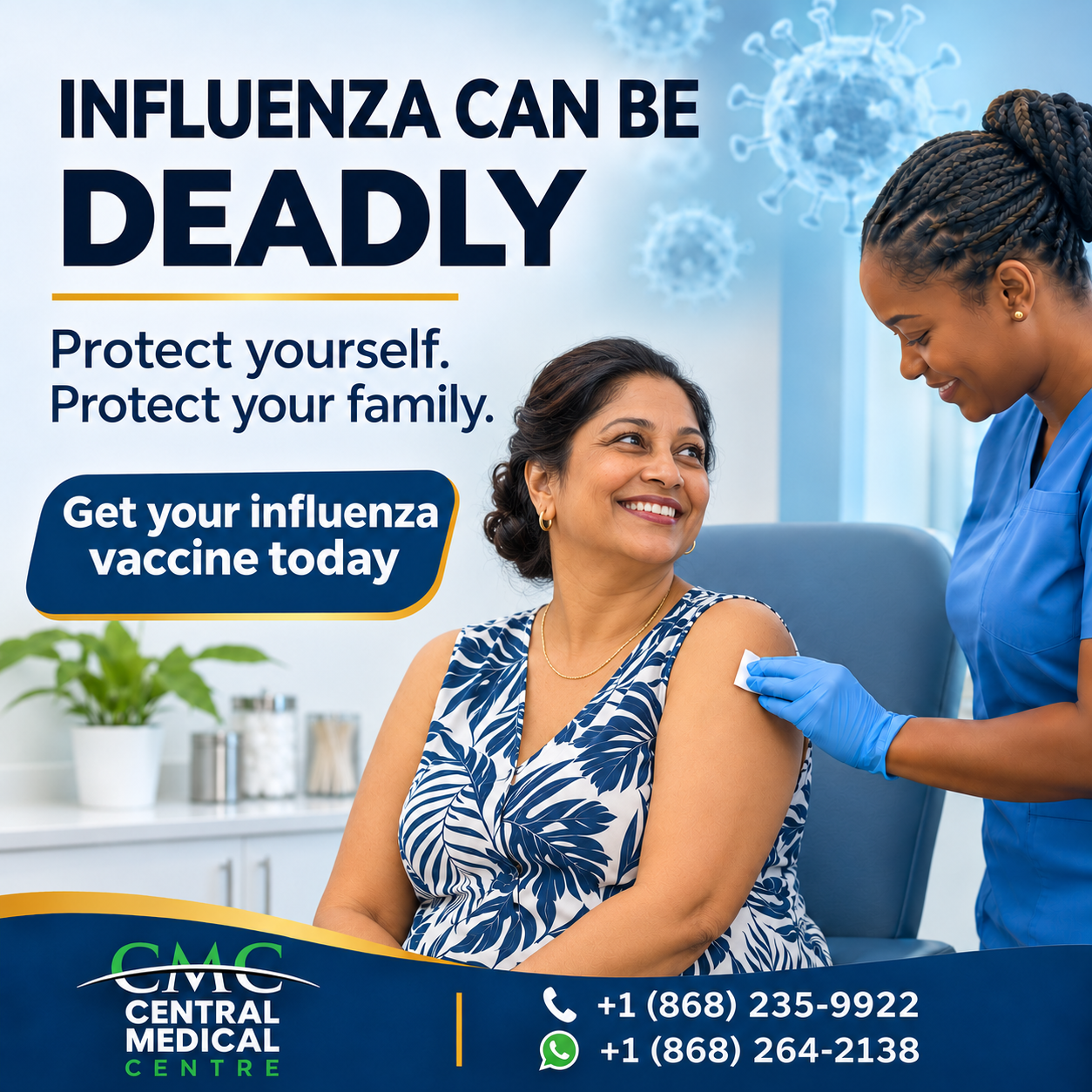
Influenza is not always a mild illness. It can cause pneumonia, worsen chronic medical conditions, lead to hospitalisation and, in some cases, result in death. Recent reports from across the Caribbean are a timely reminder to take seasonal influenza seriously.
Protect yourself and your family: the seasonal influenza vaccine cannot prevent every infection, but it can reduce the risk of severe influenza, complications, hospitalisation and death. Because circulating strains change, an updated vaccine is recommended each influenza season.
Recent influenza deaths in the Caribbean
In November 2026, health authorities in St. Vincent and the Grenadines reported three deaths linked to influenza A between September and November. The country recorded 191 confirmed influenza A cases during 2026, with most cases occurring from September through November.
Closer to home, Trinidad and Tobago’s Ministry of Health reports that the country recorded 1,390 confirmed influenza cases and 30 deaths between 2022 and 2025. The Ministry continues to encourage vaccination, particularly for people at greater risk of severe disease.
Regional surveillance also shows that influenza is actively circulating. A November 2026 Pan American Health Organization alert reported that influenza test positivity in the Caribbean rose from 4.2% in epidemiological week 39 to 27% in week 42.
Who is at greater risk?
Anyone can become seriously ill with influenza, but complications are more likely among:
- Children from 6 months to 5 years of age
- Adults aged 65 years and older
- Pregnant women
- People with asthma or other chronic respiratory illnesses
- People living with diabetes, hypertension, heart disease or other chronic conditions
- People with weakened immune systems
- Healthcare workers and caregivers
How vaccination helps
The influenza vaccine trains your immune system to recognise the influenza strains expected to circulate during the season. Protection is not absolute, and it takes time to develop after vaccination, but vaccinated people are less likely to experience severe outcomes if they become infected.
Vaccination also helps protect vulnerable relatives, patients and community members who may be more likely to develop complications.
Other ways to reduce the spread
- Wash or sanitise your hands regularly.
- Cover coughs and sneezes.
- Avoid touching your face with unclean hands.
- Stay home when you are unwell.
- Wear a well-fitting mask when appropriate, especially around vulnerable people.
- Seek medical advice if symptoms are severe or worsening.
When to seek urgent help
Seek urgent medical attention for difficulty breathing, chest pain, confusion, severe weakness, bluish lips or face, dehydration, seizures, or symptoms that improve and then suddenly worsen. Parents should seek prompt advice if a child is struggling to breathe, unusually sleepy, not drinking, or showing signs of dehydration.
Sources and further information
- Caribbean Broadcasting Corporation: influenza A deaths and cases in St. Vincent and the Grenadines
- Trinidad and Tobago Ministry of Health: Why T&T must stay vigilant this flu season
- Trinidad and Tobago Ministry of Health: 2026/2027 influenza vaccine guidance
- PAHO: November 2026 influenza and respiratory-virus epidemiological alert
This article provides general health education and does not replace individual medical advice. Ask a healthcare professional whether influenza vaccination is appropriate for you or your child.
Do not wait until influenza reaches your household.
Call Central Medical Centre at +1 (868) 235-9922 to ask about influenza-vaccine availability and get protected today.