What Happens During Endoscopy Procedure?
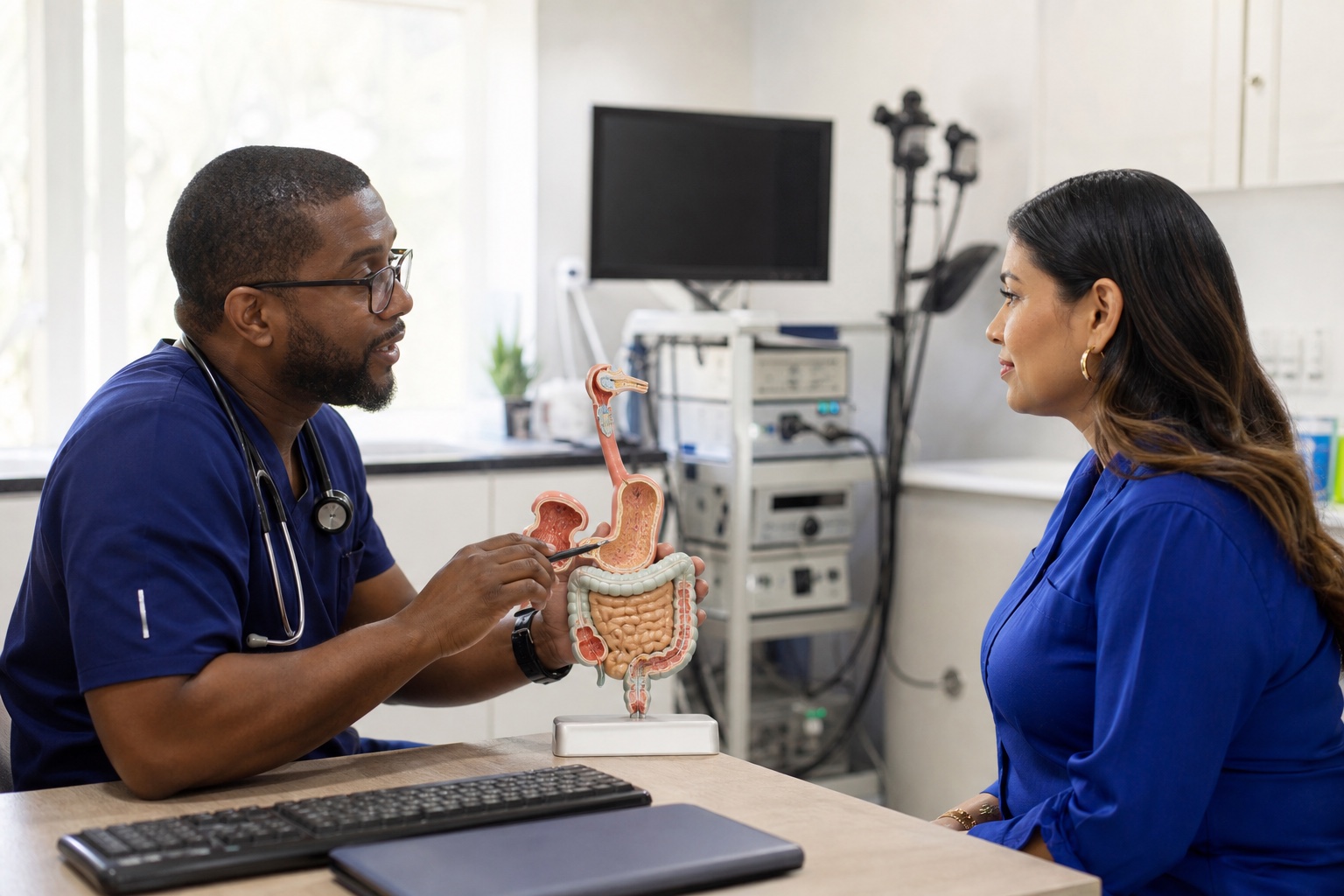
If your doctor has recommended an endoscopy, the first question is usually simple and practical: what happens during endoscopy procedure, and how uncomfortable will it be? That concern is completely normal. Most patients feel better once they understand the steps, what the test is looking for, and what to expect before, during, and after the appointment.
An endoscopy is a procedure that allows a doctor to look inside the upper digestive tract using a thin, flexible tube with a light and camera. This tube is called an endoscope. It is usually passed through the mouth and down the throat to examine the esophagus, stomach, and the first part of the small intestine.
Doctors recommend this test for several reasons. You may need it if you have ongoing heartburn, difficulty swallowing, persistent stomach pain, nausea, vomiting, unexplained weight loss, gastrointestinal bleeding, or abnormal imaging results. In some cases, endoscopy is not only used to diagnose a problem but also to treat one, such as stopping bleeding, removing certain objects, or taking a tissue sample for further testing.
What happens during endoscopy procedure before the test
The process starts before you enter the procedure room. Your doctor will give you instructions on how to prepare, and these matter. Most patients are asked not to eat or drink for several hours beforehand so the stomach is empty. This helps the doctor get a clear view and lowers the risk of vomiting during the procedure.
Your medical team will also review your medications, allergies, and medical history. If you take blood thinners, diabetes medication, or medicines for blood pressure, you may be told to adjust them temporarily. The guidance can vary depending on your overall health and the reason for the endoscopy, so it is always best to follow the specific plan given by your doctor.
When you arrive, a nurse will usually check your vital signs and confirm your details. You may be asked to remove dentures, glasses, or any item that could interfere with the procedure. An intravenous line is often placed in your arm so medication can be given if sedation is planned.
What happens during an endoscopy procedure in the room
Once you are taken into the procedure area, you will usually lie on your side. A monitor may be attached to track your heart rate, blood pressure, and oxygen level throughout the test. This is routine and helps the team keep you safe and comfortable.
In many cases, the throat is sprayed with a local anesthetic to reduce the gag reflex. Some patients also receive sedation through the IV. Sedation does not always mean full anesthesia. Often, it is a medication that makes you sleepy and relaxed, and many people remember very little of the procedure afterward. In other situations, the level of sedation depends on the patient, the complexity of the case, and the doctor’s recommendation.
A small mouth guard is placed between your teeth to protect both your mouth and the endoscope. The doctor then gently passes the scope through the mouth and down the throat. This part may sound intimidating, but the scope is designed to be flexible, and the team guides it carefully.
You are still able to breathe during the procedure. The endoscope does not block the airway. Some patients feel pressure in the throat or a sensation of fullness, but pain is usually limited, especially when sedation is used.
As the scope moves through the upper digestive tract, the camera sends images to a screen. The doctor examines the lining of the esophagus, stomach, and duodenum for signs of inflammation, ulcers, bleeding, narrowing, growths, or other abnormalities. A small amount of air or carbon dioxide may be introduced to expand the area slightly and improve visibility. This can create a bloated feeling, but it usually passes after the procedure.
If needed, the doctor may take a biopsy. This means removing a very small tissue sample for laboratory examination. Patients are often concerned about this part, but biopsies taken during endoscopy are usually painless. The lining of the digestive tract does not react the same way skin does, so you typically do not feel the tissue being sampled.
The procedure itself is often fairly quick. Many upper endoscopies take around 15 to 30 minutes, although total appointment time is longer because of preparation and recovery.
What the doctor may find during the procedure
An endoscopy helps doctors investigate a wide range of digestive symptoms. It may show acid-related irritation in the esophagus, ulcers in the stomach, gastritis, infection, signs of celiac disease, or structural problems such as narrowing or blockage. It can also help identify the source of bleeding or explain why swallowing has become difficult.
Sometimes the findings are straightforward and can be discussed soon after the procedure. In other cases, the doctor may need to wait for biopsy results before giving a final diagnosis. That does not always mean something serious is suspected. Biopsies are often taken as a routine step to confirm inflammation, test for infection, or rule out changes that cannot be judged by appearance alone.
What recovery is like after endoscopy
After the endoscopy, you will be moved to a recovery area while the sedation wears off. Nurses will continue to monitor you for a short time. Many patients feel drowsy, and some have a mild sore throat, temporary bloating, or a little gas from the air used during the procedure.
If you received sedation, you should not drive yourself home. You may also be advised not to return to work, sign important documents, or make major decisions until the medication has fully worn off. Even if you feel fairly alert, your reflexes and judgment may still be affected for several hours.
Eating and drinking usually resume gradually, depending on your doctor’s instructions. Some people can return to normal meals the same day, while others may be asked to start with light food first. If a biopsy was taken or a treatment was done during the procedure, your doctor may give more specific guidance.
When to seek medical attention afterward
Most endoscopies are completed without serious problems, but every medical procedure has some risk. Complications are uncommon, especially when performed by experienced clinicians, but patients should still know what to watch for.
You should contact your doctor promptly if you develop severe chest pain, difficulty breathing, vomiting blood, black stools, fever, worsening abdominal pain, or trouble swallowing that is more than mild and temporary. A mild sore throat or bloated feeling can be normal. Severe or persistent symptoms are not.
Common concerns patients have
One of the most common fears is gagging or choking. In practice, the throat spray, sedation, and positioning help make the process more manageable than many people expect. Another concern is pain. While the experience can feel strange or uncomfortable, it is not typically described as sharply painful.
Patients also often worry about the result before the procedure even begins. That is understandable. An endoscopy is done because there is a question that needs a clearer answer. The value of the test is that it gives your doctor direct information, which helps move care forward instead of relying on guesswork.
For busy adults, parents, and older patients managing more than one health issue, coordinated care also matters. Having consultation, diagnostics, and follow-up arranged in one setting can make the process easier, especially if biopsy review, medication changes, or referral to a specialist is needed after the procedure.
How to prepare with less stress
A smoother experience often comes down to asking the right questions before the appointment. It helps to confirm how long to fast, whether any medications should be paused, what kind of sedation will be used, and when you can return to normal activities. If you have a history of anxiety, sleep apnea, heart problems, or reactions to sedation, tell your doctor in advance.
At Central Medical Centre, patients often value having this kind of guidance handled clearly and efficiently, because the procedure is only one part of the care journey. Knowing where to go, who is performing the test, and how follow-up will be managed can make a real difference in peace of mind.
Endoscopy can sound overwhelming before you have had one, but the actual process is usually straightforward, carefully monitored, and shorter than expected. When you know what will happen and why, the procedure becomes less about fear and more about getting answers that can help you feel better.