When Should Adults Get Mammograms?
A lot of people ask about mammograms only after a friend gets called back for extra imaging or a doctor finds a lump during an exam. That is usually when the question becomes urgent: when should adults get mammograms, and does the answer change based on age, family history, or symptoms? The short answer is yes - timing depends on both routine screening guidelines and your personal risk.
Mammograms are one of the most widely used tools for detecting breast cancer early, often before it can be felt. Early detection can make treatment less invasive and improve outcomes, but screening is not one-size-fits-all. The best schedule is the one that matches your age, risk level, and medical history, with guidance from a qualified doctor.
When should adults get mammograms based on age?
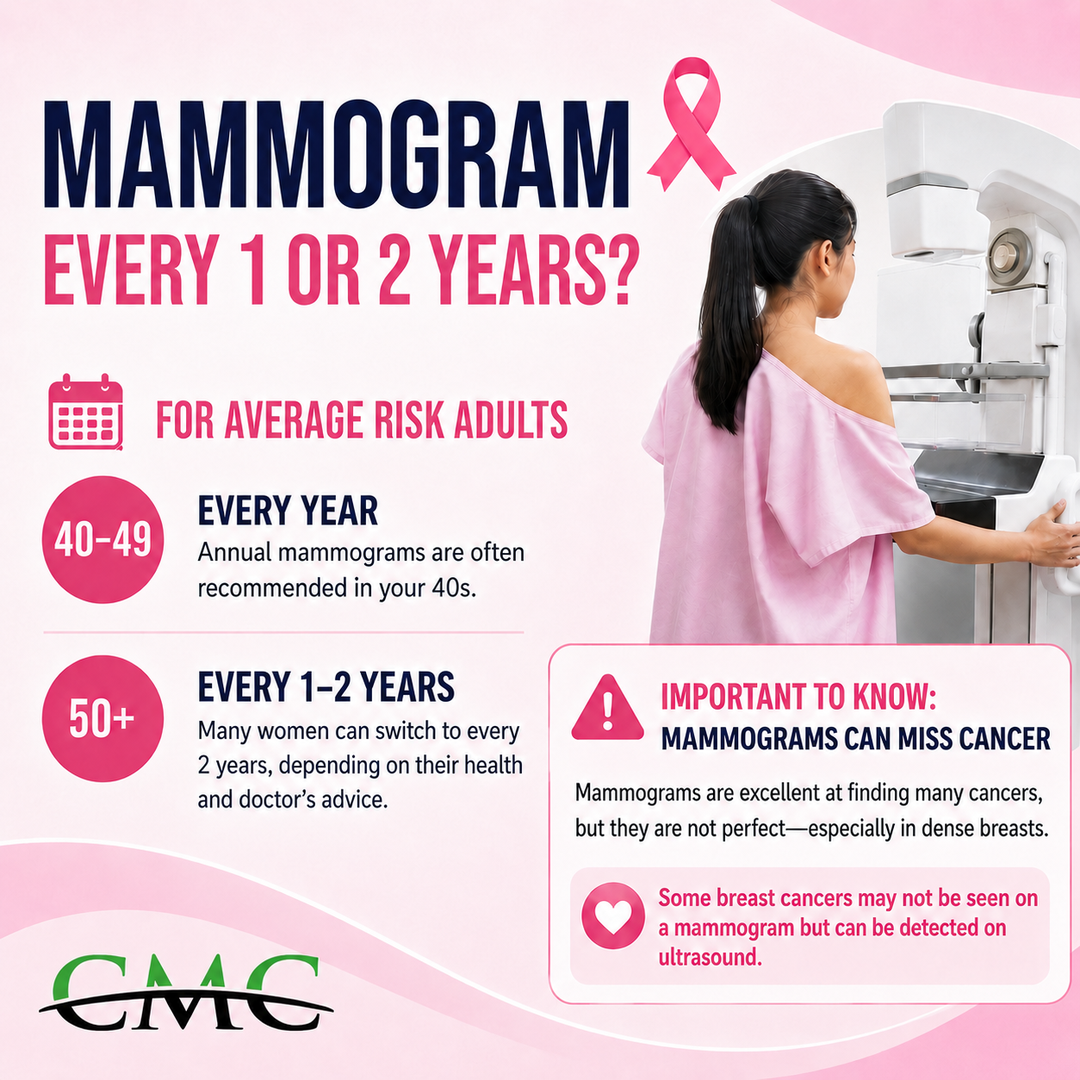
For adults at average risk, regular mammogram screening often begins at age 40. Many medical organizations now support starting at 40 because breast cancer risk rises with age, and screening in this decade can help catch cancers earlier.
That said, not every guideline is identical. Some recommend annual screening starting at 40, while others allow screening every one to two years depending on patient preference, breast density, and discussion with a physician. This can feel confusing, but the bigger point is clear: adults should not wait until symptoms appear before thinking about breast screening.
In the 40s, annual mammograms are commonly advised because breast tissue may still be relatively dense, and cancers can develop between longer screening intervals. In the 50s and beyond, many women continue yearly screening, while some shift to every two years if their doctor feels that is appropriate. Screening often continues as long as a person remains in reasonably good health and would be able to undergo treatment if something abnormal is found.
Age matters, but it is only part of the picture. A healthy 72-year-old may still benefit from mammograms, while a younger adult with significant risk factors may need screening earlier than 40.
Who may need mammograms earlier than usual?
Adults with higher-than-average breast cancer risk may need earlier or more frequent screening. This includes people with a strong family history of breast cancer, especially in a mother, sister, or daughter, as well as those with known genetic mutations such as BRCA1 or BRCA2.
A personal history of breast cancer, certain high-risk breast biopsy results, or prior radiation therapy to the chest at a young age can also change the screening timeline. In these cases, mammograms may start before age 40, and additional imaging such as breast ultrasound or MRI may be recommended.
This is where individualized medical advice matters. Starting too late can delay detection, but starting too early without clear indication may increase false positives, extra imaging, and unnecessary anxiety. A doctor can help weigh those trade-offs based on your exact risk profile.
When should adults get mammograms if they have symptoms?
Routine screening mammograms are for adults without symptoms. If you notice a breast lump, nipple discharge, skin dimpling, breast pain in one specific area, or a change in breast shape, you should not wait for your next scheduled screening. You need a medical evaluation.
In that situation, the appropriate test may be a diagnostic mammogram rather than a routine screening mammogram. Diagnostic imaging is more focused and is used to look closely at a specific area of concern. Depending on age and breast tissue, ultrasound may also be part of the assessment.
This distinction matters because screening is designed for early detection in people who feel well, while diagnostic imaging is used to investigate a sign or symptom. If something feels different, it is worth getting checked promptly.
Understanding average risk versus high risk
People often assume they are average risk because no one in the family has had breast cancer. Sometimes that is true, but risk is broader than family history alone. Your doctor may consider age, menstrual and reproductive history, breast density, previous biopsy findings, hormone use, and past radiation exposure.
Average risk generally means you do not have a known genetic mutation, a strong family history, a personal history of breast cancer, or other major factors that place you in a high-risk category. For this group, beginning regular screening at 40 is a common and practical approach.
High-risk adults may need a more tailored plan. That plan could mean starting earlier, screening more often, or combining mammograms with other imaging. It may also include genetic counseling if inherited risk is suspected.
What mammograms can and cannot do
Mammograms save lives, but they are not perfect. They can detect cancers too small to feel, which is their greatest value. At the same time, they can sometimes miss cancer, especially in dense breast tissue, or find changes that turn out not to be cancer.
This is why screening involves balance. The benefit is earlier detection. The downside can be callbacks for more images, short-term stress, and occasionally biopsies for findings that are ultimately benign. Even so, for many adults, especially from age 40 onward, the benefits of regular screening outweigh these drawbacks.
A good screening conversation is not about fear. It is about making an informed decision with realistic expectations. Knowing that a callback does not automatically mean cancer can make the process less overwhelming.
Breast density and why follow-up advice matters
Dense breast tissue is common, particularly in younger adults, and it can make mammograms harder to interpret. Density can both slightly increase cancer risk and reduce how easily abnormalities are seen on standard mammography.
If you are told that you have dense breasts, do not panic, but do ask what that means for your care. Some adults may benefit from supplemental imaging depending on their full risk picture. Density alone does not automatically mean you need every additional test available, but it does mean your screening plan may need closer attention.
This is one reason continuity of care is so helpful. When your doctor can review your symptoms, risk factors, prior images, and follow-up needs together, screening becomes more coordinated and less confusing.
How often should adults continue mammograms?
There is no single age when everyone should stop. In general, mammograms may continue as long as a person is in good enough health to benefit from early detection and treatment. For some adults, that means continuing screening into their 70s or beyond.
The decision becomes more individualized with age. If someone has serious medical conditions that would make treatment unlikely or too burdensome, screening may offer less benefit. On the other hand, an active older adult with good life expectancy may still gain real value from ongoing mammograms.
This is not about age alone. It is about overall health, preferences, and whether finding breast cancer early would meaningfully change care.
Making screening easier to follow through on
The biggest barrier for many adults is not whether screening matters. It is logistics. Busy work schedules, uncertainty about where to go, concern about cost, and delays between consultation and imaging can all lead to postponement.
That is why practical access matters. When breast health discussions, doctor assessment, imaging, and follow-up can be coordinated in one setting, patients are more likely to stay on schedule and less likely to get lost between referrals. For many families and working adults, convenience is not a luxury. It is what makes preventive care possible.
At a one-stop outpatient center such as Central Medical Centre, coordinated care can make it easier to move from consultation to mammogram to follow-up planning without unnecessary delays.
Questions worth asking your doctor
If you are unsure when to start, ask a few direct questions. Am I average risk or high risk? Should I begin screening at 40, or earlier? How often should I repeat mammograms? Do I have dense breasts, and does that change my plan? If I have symptoms, what imaging do I need now?
These are simple questions, but they can shape a much clearer screening plan. The goal is not to memorize every guideline. It is to understand what applies to you.
Breast screening works best when it is timely, personalized, and easy to continue over the years. If you have reached screening age, have risk factors, or have noticed a change in your breast health, this is a good time to have the conversation and make a plan you can realistically keep.